Mattress toppers provide an added layer of comfort and support, enhancing sleep quality by balancing firmness and pressure relief. A natural wool and latex topper typically combines breathable fibers with resilient cushioning, helping regulate temperature and reduce motion transfer. Key features to consider include material composition, thickness, and the ability to conform to body contours for spinal alignment.
In the context of merinowool materials, toppers benefit from excellent moisture-wicking properties and temperature regulation, contributing to a cooler, drier sleep surface. When paired with natural latex, the topper gains responsive support that adapts to different sleeping positions, maintaining cushioning without excessive sink-in. These characteristics support quieter, undisturbed rest for various sleepers.
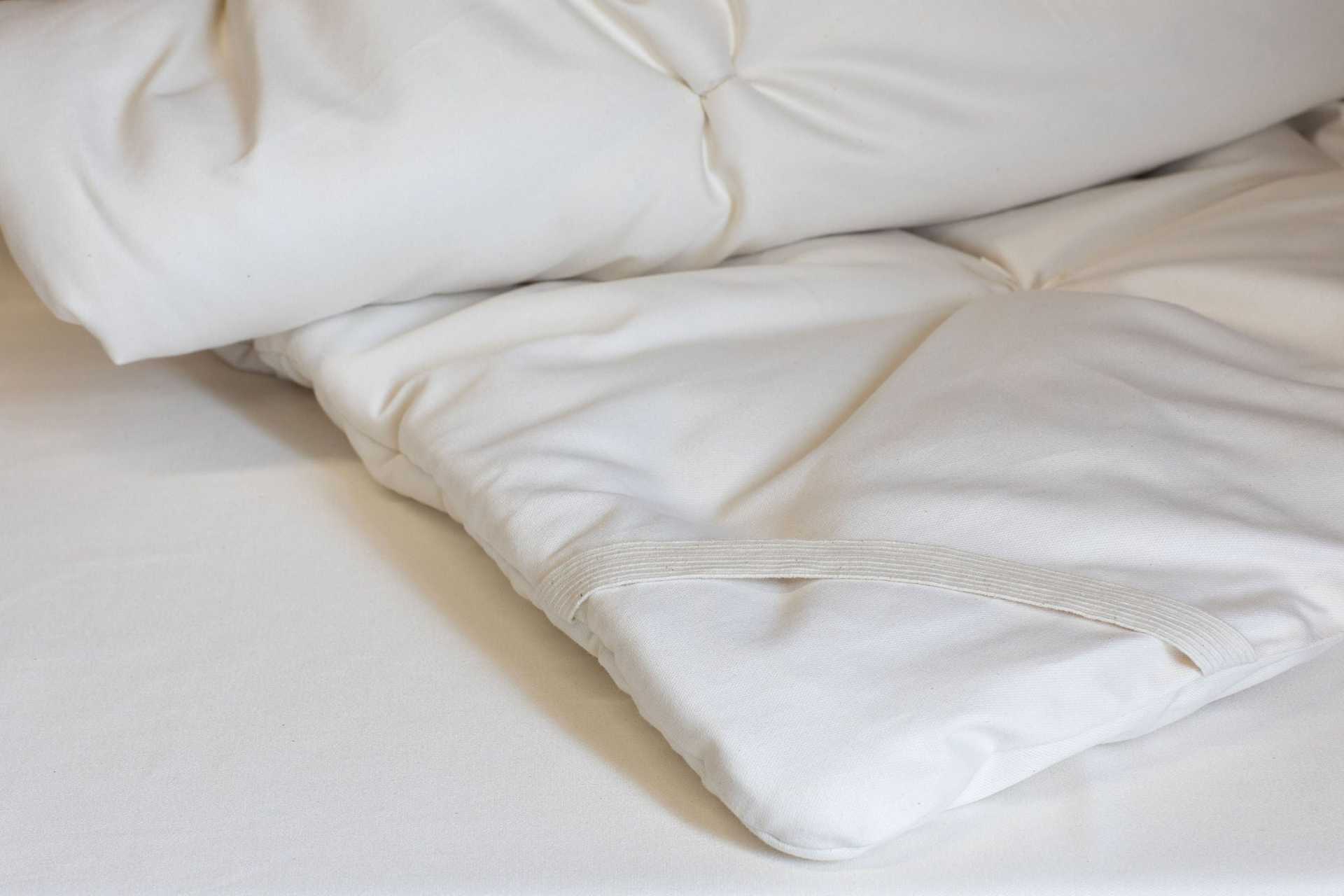
The Natural Wool & Latex Shikibuton exemplifies the integration of traditional bedding with modern comfort science. It pairs virgin wool for resilience and breathability with latex for supportive zoning, yielding a balanced feel that can alleviate common pressure points. Its composition supports durable performance while remaining breathable through seasons.
Consider how a wool and latex topper interacts with existing bedding, including pillows, bedfoundation, and sheets made from breathable materials. A well-chosen topper can improve overall sleep acoustics by reducing surface compression, while maintaining a natural fiber aesthetic that aligns with eco-conscious bedding choices.
For optimal usability, assess care requirements, including washing and airing routines suited to natural wool and latex components. Knowledge of fiber behavior, odor resistance, and longevity helps readers understand how toppers contribute to long-term comfort and a healthier sleep environment, alongside related bedding essentials like down comforters and moisture-managing textiles.
 Bedding