Bedding guide
How to Choose a Sleep and Beyond Comforter Weight for Your Climate
The right comforter should feel cozy without turning bedtime into a balancing act between warmth and overheating. Sleep and Beyond’s myMerino range illustrates how a lighter fill can suit warmer rooms and warmer sleepers, while a standard-weight option may feel more comforting when nights are cool. Your room temperature, sleep habits, and layering choices all matter—not just the label on the comforter.
Comforter shopping often seems to promise a simple answer: choose lightweight for summer and heavier for winter. Real sleep, of course, is less tidy. A bedroom may stay warm long after the sun goes down, a drafty home may cool sharply overnight, and two people sharing a bed may have very different ideas of what “cozy” means.
Fill weight is a useful starting point, but it does not tell the whole story. The fiber, shell fabric, construction, duvet cover, and the way you sleep all influence how warm a comforter feels. This guide explains how to compare lighter and standard-weight options, with Sleep and Beyond’s myMerino comforters as a practical example. The aim is to help you choose bedding that suits your actual nights—not an idealized season on a calendar.
What does comforter weight actually mean?
“Weight” can refer to the amount of filling used in a comforter, the total weight of the finished bedding, or a product’s warmth category. These are related, but they are not interchangeable. A heavier comforter is not automatically warmer in every situation: fiber type, loft, quilting, and the fabric around the fill all play a part.
When a manufacturer provides a fill weight—sometimes expressed per square yard or square meter—it can help you compare models within the same range. The number describes how much filling is distributed over a given area, not necessarily how warm every sleeper will feel. A lofty filling may trap more still air, while a thin, breathable construction can feel different from a dense one even when their total weights are similar.
It is also useful to distinguish fill weight from the comforter’s overall mass. A larger comforter can weigh more simply because it covers more area. If you are comparing products, look for the size, filling material, and fill specification together. When manufacturers use terms such as “light,” “medium,” or “all-season,” treat them as a guide and check the product’s own details rather than assuming the labels mean the same thing across brands.
Why merino wool can work across changing temperatures
Merino wool is valued in bedding for its softness and ability to manage moisture. Wool fibers can absorb water vapor and release it into the surrounding air, helping a sleep surface feel less clammy when a sleeper perspires. That quality can contribute to a more comfortable-feeling bed, though it does not control room temperature or guarantee that any person will stay cool.
Wool also provides insulation. The fibers and the structure of a wool filling help hold air, which can support warmth when the room is chilly. The useful point is not that wool is “cool in summer and warm in winter” under every condition, but that it can combine insulation with moisture management. How that balance feels depends on the amount of fill, the other layers on the bed, and your own preferences.
Sleep and Beyond describes its myMerino comforter as a breathable, organic merino-wool option intended to help regulate body temperature and wick away moisture. Its lighter version is presented as especially suitable for warmer seasons. Those qualities make wool worth considering if you want warmth without choosing bedding solely by a bulky, heavy feel. Personal comfort varies, so the best guide is how you tend to sleep and the temperature of your bedroom.
When a lightweight comforter makes sense
A lightweight comforter can be a good match when your room stays warm, when you often wake feeling overheated, or when you prefer a less substantial layer over your body. It may also be useful in homes where heating remains on overnight or where the bed already includes a warm mattress protector, flannel sheets, or several blankets.
Sleep and Beyond’s myMerino Wool Comforter Light is described as a lighter-weight version of the brand’s wool comforter, intended for three-season use and warmer conditions. The listed wool fill is six ounces per square yard. That figure offers a concrete reference for the light model, but it should be read alongside the comforter’s size, shell, construction, and the conditions in which you expect to use it.
Lightweight does not mean “summer only.” In a moderately cool bedroom, a lighter comforter may be comfortable when paired with warmer sleepwear or an additional blanket. It can also be a practical choice for people who prefer adjustable layers: start with the comforter, then add or remove a coverlet as the night changes. This approach is particularly helpful if your climate has mild winters or your indoor temperature stays fairly consistent.
However, a lightweight option may not provide enough coverage for someone who feels cold easily, sleeps in a chilly room, or wants one stand-alone comforter through the coldest months. If you regularly reach for extra blankets, that is a sign to reassess the fill weight or your layering plan.
When a standard-weight comforter may be the better fit
A standard-weight comforter is worth considering if your bedroom cools overnight, if you live in a colder climate, or if you generally like a warmer, more enveloping bed. It may also suit people who would rather use one substantial layer than build warmth with several separate blankets.
In Sleep and Beyond’s myMerino range, the lighter option is explicitly identified as lighter weight. The standard version is the comparison point for shoppers seeking more coverage and warmth. Product specifications can change, so check the current listing for the precise fill information, available sizes, and care guidance before choosing. Avoid treating the word “standard” as a universal temperature rating: another brand may use the same word for a different construction or level of insulation.
Remember that “more fill” is not always the only route to a warmer bed. A duvet cover made from a denser fabric, warmer sheets, sleepwear, and the room’s temperature can all shift how a comforter feels. If you are already comfortable with your bedding during most of the year but get cold during a short winter stretch, adding a blanket may be more versatile than moving to a heavier comforter for every season.
Match the fill to your room, not just your region
Climate offers useful context, but the temperature inside your bedroom matters more than the name of your city or region. A home in a cold climate may be well heated overnight; a house in a mild area may have a drafty bedroom that becomes chilly by morning. Consider the temperature you actually experience near bedtime and when you wake.
For a practical check, notice how you feel under your current bedding for several nights. Do you kick off covers soon after getting into bed? Do you wake sweaty, or do you pull the blanket close and still feel cold? Are you comfortable at bedtime but chilly before morning? Patterns like these are more informative than a single rough guess about your climate.
- Warm bedroom: Start with a lighter comforter, especially if you tend to sleep hot.
- Cool bedroom: Consider standard weight or a light comforter paired with a removable blanket.
- Room temperature varies: Choose flexible layers or a two-piece system that can be adjusted.
- Shared bed, different preferences: Consider separate top layers or a compromise weight with individual blankets.
- Uncertain conditions: Check the return policy and product specifications before making a final decision.
These are starting points, not clinical or universal rules. Sleep comfort is personal, and the temperature of your room can change with heating schedules, windows, humidity, and seasonal weather.
Your sleeping style matters, too
Some people naturally feel warmer during sleep than others. If you often wake hot or damp, a lighter comforter may help reduce the amount of insulation around you. Wool’s moisture-management properties may be appealing, but no fiber can compensate for a room that is too warm or for multiple layers that trap excessive heat.
People who tend to feel cold may prefer a standard-weight option, particularly when their bedroom is cool. But the “cold sleeper” label is only a shortcut. A person may feel chilly at bedtime and warm later in the night, or feel comfortable under a light comforter when wearing warmer sleepwear. Think about your regular experience rather than assuming a category must fit you.
For couples, comforter weight can be a negotiation with no perfect shared answer. One person may want a light, breathable covering while the other wants more insulation. Separate blankets, a lighter comforter with an extra throw on one side, or different sleepwear can provide more control than selecting a single weight to satisfy two opposing preferences.
The shell, duvet cover, and layers change the equation
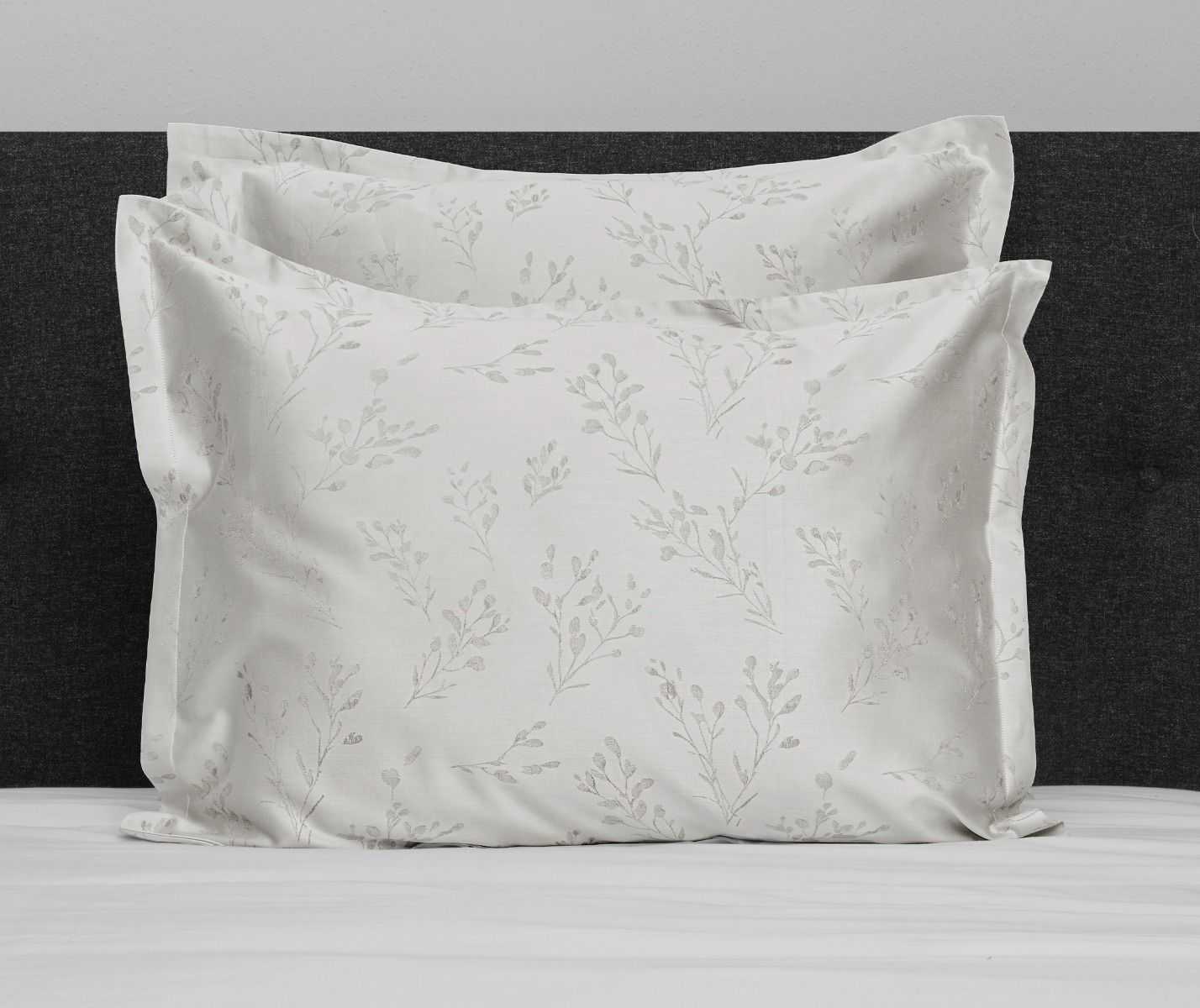
The comforter is only one part of the bed. A cotton shell and a removable duvet cover affect the feel against the skin and how easy the bedding is to protect. The Sleep and Beyond myMerino comforter is described with an organic cotton sateen cover. The brand recommends using a removable duvet cover to help protect the comforter and reduce the need for cleaning.
A duvet cover also gives you a convenient way to change the surface feel of the bed. Its fabric and weave can make the overall setup feel more substantial or more airy. Sheets, mattress pads, blankets, and sleepwear add further insulation. If a comforter feels too warm, first consider whether the entire bed is over-layered. If it feels too cool, an extra layer may solve the problem without requiring a different comforter.
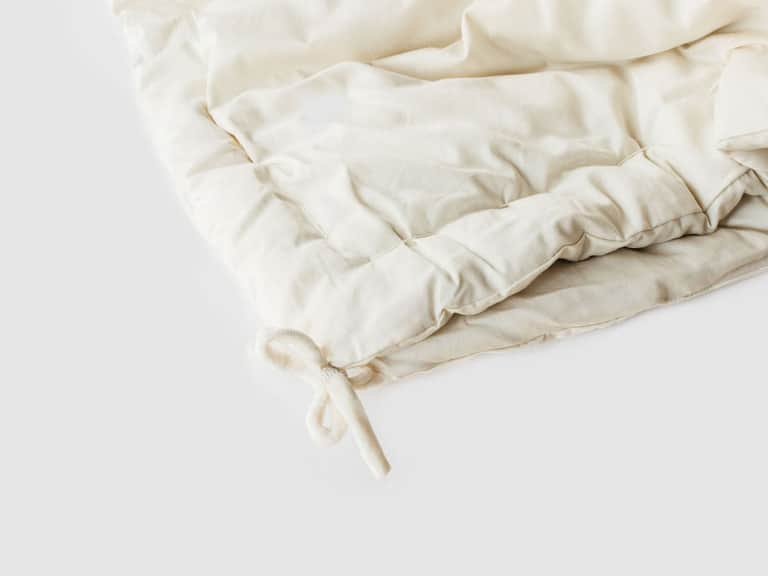
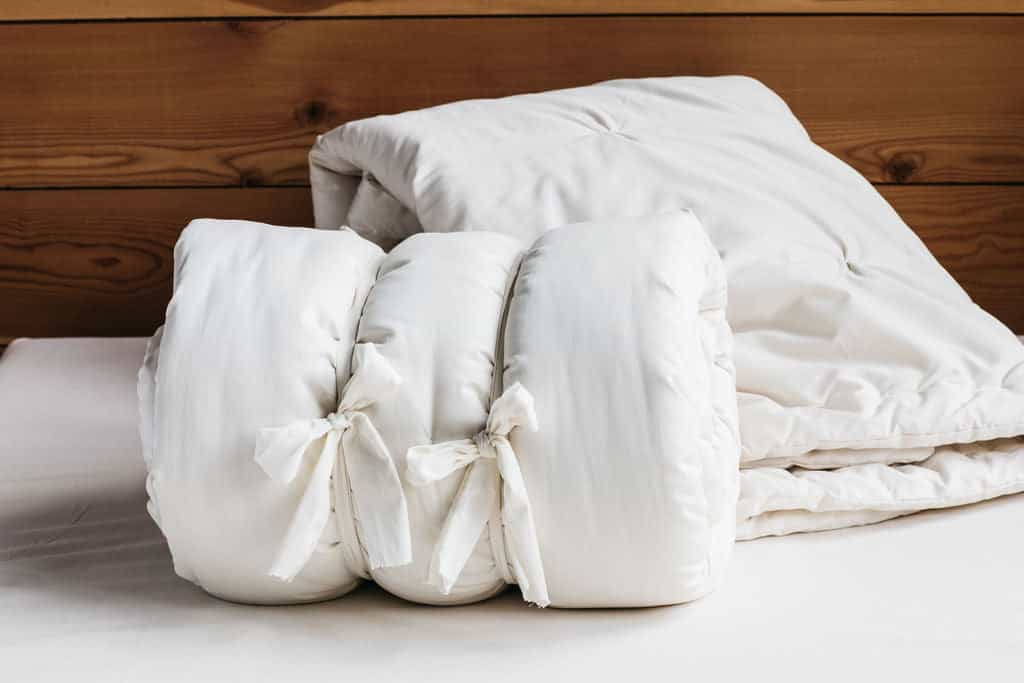
Construction matters as well. Quilting or other methods of securing fill help keep it distributed across the comforter, while the size and fit determine whether it covers the bed as you expect. Look for product details about dimensions, ties, and construction, especially if you plan to use a duvet cover. A comforter that shifts or leaves gaps can feel less comfortable regardless of its nominal weight.
A simple way to choose between light and standard
If you are torn between a lightweight and a standard-weight comforter, answer these questions before buying:
- What is your bedroom like overnight? Focus on the room, not the daytime forecast.
- How do you feel under your current covers? Recall whether you usually uncover, add a blanket, or wake uncomfortable.
- Do you want one layer or adjustable layers? A lighter comforter can be easier to adapt with a throw; a standard weight may work better as the primary layer in a cool room.
- Will you use a duvet cover? A cover can protect the comforter, but it also becomes part of the bedding’s overall feel.
- Have you checked the current product details? Confirm fill weight, dimensions, materials, and care instructions rather than relying on a category name alone.
As a rule of thumb, choose the light version when your main concern is excessive warmth or your room tends to stay warm. Consider standard weight when your room is consistently cool and you prefer a more insulating, self-contained layer. If temperatures swing widely, prioritise flexibility and build warmth with removable layers.
Care and longevity: check before you commit
Care requirements are part of the comforter-weight decision because a product that suits your climate should also fit your household routine. Sleep and Beyond advises protecting its myMerino comforter with a removable duvet cover. Its care guidance describes spot-cleaning the cotton cover with a soft brush and mild detergent, then allowing it to air-dry fully. For more substantial stains, the brand recommends eco-friendly dry cleaning on a short cycle with limited moisture, and suggests airing and sunning the comforter to refresh it.
Always follow the care instructions supplied with the exact model you purchase. Wool bedding is not automatically machine washable, and washing methods vary among products. Avoid assuming that instructions for one wool comforter apply to another. A duvet cover can make routine maintenance simpler, but it does not eliminate the need to inspect the comforter’s own guidance.
These small habits can help preserve a comforter’s comfort and appearance: use a cover, air it as recommended, address spots promptly, and store it clean and fully dry. If you are comparing two weights, consider whether the care routine is equally practical for both. The most suitable bedding is the one that works for your sleep and is realistic to maintain.
Frequently asked questions
Is a lightweight comforter only for summer?
Not necessarily. Sleep and Beyond describes its myMerino light model as suitable for three seasons and warmer conditions. In a mild climate, it may work for much of the year; in a colder room, you can add a blanket when needed. Personal warmth preferences and indoor temperatures determine whether it feels suitable.
Does wool make a comforter cool?
Wool can help manage moisture and provide insulation, but it is not a cooling device. The fill weight, room temperature, duvet cover, and the sleeper all influence how warm the bed feels. Choose a lighter construction if reducing insulation is your priority.
Is standard weight always warmer than lightweight?
Within a product range, the standard option is generally intended to provide more warmth than the light version. Still, product naming is not consistent across brands. Compare the current specifications and intended use for the particular model rather than treating “standard” as a universal measurement.
Can I use a light comforter in winter?
Yes, if your bedroom stays warm or you prefer lighter bedding. If the room cools down, add a blanket or another layer. The choice depends on your actual indoor conditions, not simply the season.
The bottom line
Choosing a Sleep and Beyond comforter weight is less about finding a perfect seasonal rule and more about matching insulation to your room and your own comfort. The myMerino light option is designed for people seeking a lighter layer, including warm sleepers and those in warmer conditions. A standard-weight alternative may be more appealing when the bedroom is cool or you prefer greater coverage. Fill weight gives you an important comparison point, but it is only one part of the decision.
Look at the complete setup: shell fabric, duvet cover, sheets, room temperature, sleepwear, and whether you want to add or remove layers through the year. Then check the current product specifications and care instructions. A thoughtful choice is not necessarily the heaviest or the lightest comforter—it is the one that helps your bed feel comfortable through the nights you actually have.